

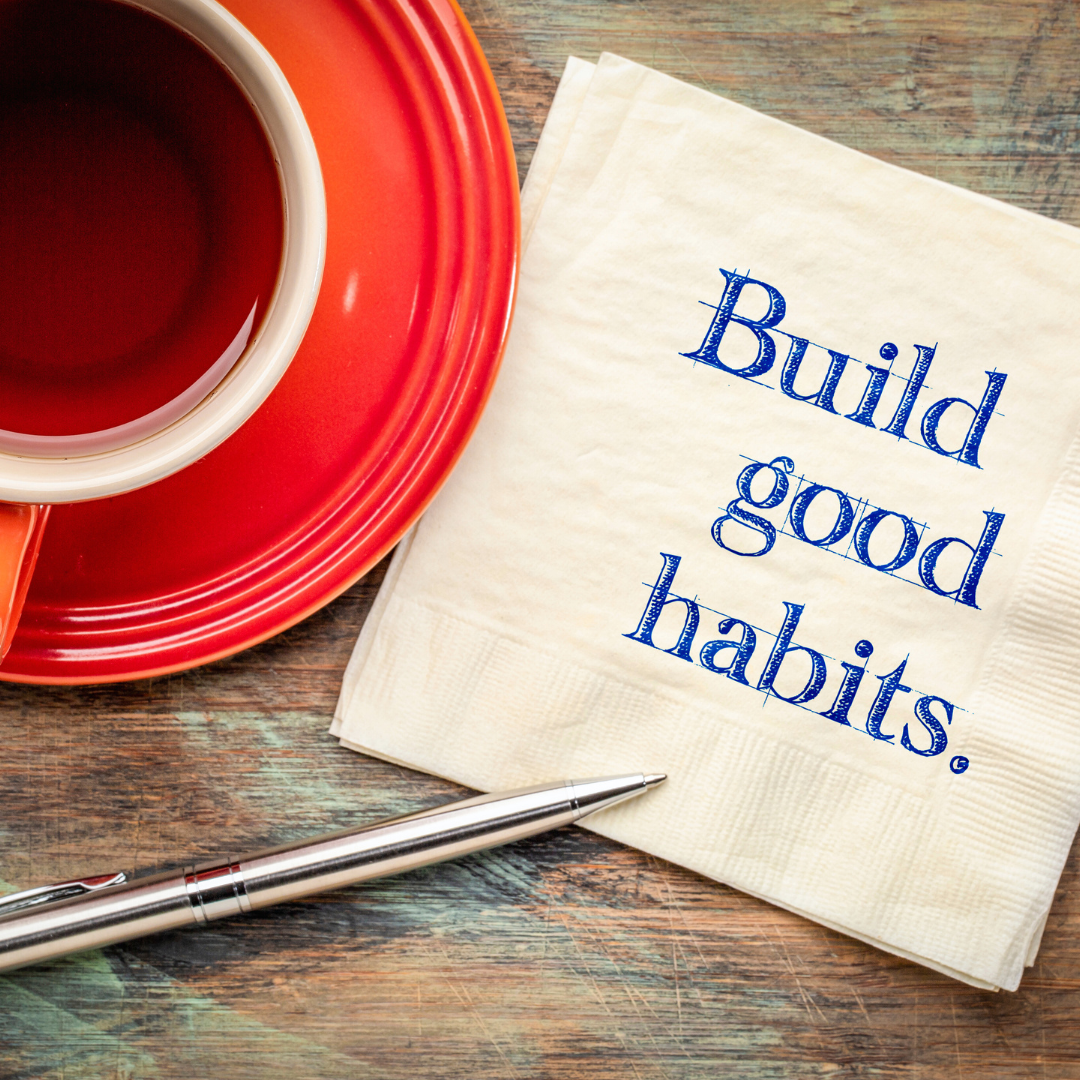
Building productive habits starts with clear intention and consistent action. The key is to break down goals into small, manageable routines that fit naturally into your daily life. This approach reduces resistance and helps maintain momentum over time.
Understanding what triggers your behavior and designing your environment to support positive actions makes habit formation easier. By focusing on one habit at a time and tracking progress, you create a sustainable path to lasting change.
This guide will walk through practical strategies to develop habits that improve productivity, helping you stay focused and achieve your goals with less effort.
Understanding Productive Habits
Productive habits involve specific behaviors and routines that consistently lead to desired outcomes. They influence how time and energy are allocated, affecting success in various areas of life.
Definition of Productive Habits
Productive habits are regular actions or routines that contribute to achieving goals efficiently. They often become automatic through repetition and focus on optimizing time and effort. Unlike one-time tasks, habits are ongoing behaviors that create structure and consistency in daily life.
Key characteristics include being goal-oriented, sustainable over time, and adaptable to different contexts. Examples are setting priorities each morning, dedicating focused work periods, or maintaining physical health through regular exercise.
Understanding these traits helps identify which habits support productivity rather than just activity.
Impact on Personal and Professional Growth
Productive habits improve focus, reduce procrastination, and enhance time management. They allow individuals to progress steadily towards long-term goals in careers and personal development.
At work, habits like planning tasks and minimizing distractions increase output quality and efficiency. Personally, habits such as reading daily or exercising foster mental clarity and well-being.
These routines build momentum, making complex projects manageable. Consistent habits also develop discipline and resilience, which are crucial for overcoming challenges and sustaining growth.
Common Myths About Building Habits
A frequent myth is that habits take exactly 21 days to form. Research shows this varies widely, often requiring months, depending on the behavior and individual.
Another misconception is that motivation alone drives habit formation. In reality, environmental design, clear cues, and rewards play major roles in solidifying routines.
Lastly, some believe habits must be perfect from the start. Incremental progress and occasional setbacks are normal parts of adjusting to habits. Understanding these myths can prevent frustration and improve habit-building strategies.
Foundations of Habit Formation
Habit formation depends on predictable brain processes, involving triggers, behaviors, and rewards, as well as internal factors like motivation and willpower. Understanding these elements helps create lasting behavioral changes.
The Science Behind Habit Creation
Habits form through neuroplasticity, where repeated behaviors strengthen specific neural pathways. The brain shifts from conscious decision-making to automatic actions to save mental energy. This transition is why habits often feel effortless after enough repetition.
Research shows that habits usually reside in the basal ganglia, a brain region responsible for routine behavior, while decisions happen in the prefrontal cortex. Early stages of habit formation require more conscious effort, but as habits solidify, control moves away from the prefrontal cortex.
Creating new habits involves consistency and time; studies suggest it can take anywhere from 18 to 254 days for behavior to become automatic, depending on the complexity of the habit.
Habit Loop: Cue, Routine, and Reward
Habits operate through a three-part loop: the cue, the routine, and the reward. The cue is a trigger that initiates the habit, such as a time of day, location, or emotional state. Recognizing cues allows intentional habit design.
The routine is the behavior performed automatically after the cue. It can be physical, mental, or emotional. The key is to replace undesired routines with productive ones by keeping the cue and modifying the response.
The reward reinforces the routine and motivates repetition. Rewards vary widely, from a feeling of accomplishment to tangible treats. Consistently experiencing satisfying rewards strengthens the habit loop and promotes habit persistence.
| Habit Loop Component | Description | Example |
| Cue | Trigger for the behavior | Seeing running shoes |
| Routine | The habitual behavior | Going for a jog |
| Reward | Positive outcome reinforcing loop | Feeling energized afterward |
The Role of Motivation and Willpower
Motivation drives the initial process of adopting a habit but fluctuates over time. Relying solely on motivation is unreliable for long-term habit formation because it tends to ebb and flow depending on mood and circumstances.
Willpower helps initiate habits but is a limited resource that can be depleted, leading to weaker self-control later. Building habits that rely on environmental cues rather than willpower improves sustainability.
Automating behaviors minimizes the need for ongoing motivation and willpower. Structuring the environment—such as removing distractions or placing tools in visible locations—supports habit maintenance by reducing reliance on mental effort.
Identifying Key Habits to Build
Building productive habits starts with clarity about what matters most and a focus on actions that deliver measurable benefits. It involves knowing your priorities, choosing habits that make a significant impact, and managing commitments to maintain consistency.
Assessing Your Goals and Priorities
Begin by listing your top personal and professional goals. Rank them based on urgency, importance, and long-term benefit. This clarity helps target habits that directly support what you want to achieve.
Consider time frames: short-term targets often require different habits than long-term ambitions. Reflect on your current routines and note which actions align or conflict with these goals. This evaluation prevents wasted effort on ineffective habits.
Use tools like journals or digital apps to track progress towards your goals. Regular review keeps priorities in focus and habits relevant.
Selecting High-Impact Habits
Identify habits that produce outsized results relative to the effort involved. For example, spending 15 minutes daily on focused work can boost productivity more than sporadic multitasking.
Focus on habits that address bottlenecks or critical skill gaps. Habits such as planning your day each morning or limiting distractions have broad benefits across tasks.
Use a simple matrix to select habits:
| Habit | Impact Level | Ease to Implement | Priority |
| Morning planning | High | Medium | High |
| Evening reflection | Medium | High | Medium |
| Email batching | High | Medium | High |
Choose two or three habits to start with to maximize effectiveness.
Avoiding Overcommitment
Overcommitting reduces the likelihood of sustaining new habits. Limit focus to a manageable number—typically no more than three at a time.
Start with habits that require the least disruption to your daily routine. This builds momentum and confidence. Gradually add complexity once initial habits feel automatic.
Use techniques such as habit stacking—attaching a new habit to an existing one—to ease integration. For example, practice deep breathing immediately after brushing your teeth.
If a habit consistently fails, reassess its relevance or break it down into smaller steps. Maintaining balance avoids burnout and increases the chance of lasting productivity improvements.
Strategies for Building Productive Habits
Building productive habits requires clear, manageable methods. Breaking tasks down, connecting new habits to existing ones, tracking progress, and involving others can significantly improve consistency and success.
Starting Small for Sustainable Change
Begin with habits that require minimal effort and time. For example, instead of running five miles daily, start with a five-minute walk. Small wins reduce resistance and build confidence.
Focus on consistency rather than intensity. Even a little progress daily compounds over weeks. Avoid overwhelming yourself with big changes that are hard to sustain.
Adjust gradually when the small habit becomes automatic. This method helps prevent burnout and keeps motivation steady through manageable, incremental steps.
Habit Stacking Techniques
Habit stacking links a new habit to an existing routine. For instance, after brushing your teeth, immediately meditate for two minutes. This leverages the brain’s existing cues, making adoption easier.
To use this method effectively:
- Identify a stable habit you perform daily.
- Attach a new habit to this trigger.
- Keep the new behavior simple and specific.
This technique relies on context and repetition, which strengthen neural connections and make habits more automatic over time.
Making Habits Visible and Trackable
Visual reminders increase habit adherence. Use sticky notes, alarms, or habit-tracking apps to keep your goal visible. Visibility acts as a cue and reinforces commitment.
Track your progress with simple charts or bullet journals. Recording completion rates creates positive feedback loops and helps identify patterns or obstacles.
Example table for tracking habit consistency:
| Date | Habit Completed (Yes/No) | Notes |
| Jan 15 | Yes | Felt energized |
| Jan 16 | No | Missed due to meetings |
Leveraging Accountability Partners
Accountability partners increase adherence by adding social pressure and support. Share your goals with a friend or colleague who can check in regularly.
Set clear expectations for frequency and type of communication, such as weekly check-ins or progress reports. Mutual accountability strengthens motivation and helps overcome lapses.
Partners can provide encouragement, feedback, and reminders, making it harder to skip habits without consequence. Choosing someone with similar goals can improve mutual benefit.
Overcoming Obstacles and Setbacks
Persistence is key when building productive habits, but challenges like procrastination, distractions, and setbacks often arise. Identifying specific causes and applying targeted strategies can help maintain progress and regain focus quickly.
Dealing with Procrastination
Procrastination often stems from feeling overwhelmed or unsure where to start. Breaking tasks into smaller, manageable steps can reduce resistance and increase motivation. Using techniques like the Pomodoro method—working for 25 minutes, then taking a 5-minute break—helps maintain momentum without burnout.
Setting clear deadlines and prioritizing tasks based on impact also combat delays. Writing a simple daily to-do list with top priorities increases accountability. Avoid waiting for perfect conditions; starting work, even imperfectly, reduces procrastination’s hold.
Managing Distractions
Distractions frequently disrupt productive behavior, reducing efficiency. Identifying common distractions—such as phone notifications, social media, or noisy environments—allows targeted mitigation. Tools like website blockers or “Do Not Disturb” modes can minimize digital interruptions.
Creating a dedicated workspace free from clutter supports focus. Establishing specific work periods and communicating boundaries to others helps prevent interruptions. Short, scheduled breaks between tasks can also reduce the temptation to stray from focal activities.
Recovering from Relapses
Relapses in habit formation are normal and should be expected. The key is to resume efforts immediately instead of dwelling on the setback. Reflect on what triggered the lapse and adjust the routine to remove or reduce those triggers.
Reinforce motivation by revisiting goals and reminding yourself of the benefits gained by productive habits. Consider keeping a habit journal to track progress and setbacks, which provides insight and encourages continuous improvement.
Tracking Progress and Maintaining Consistency
Tracking progress requires clear methods for measuring success and tools that simplify regular monitoring. Consistency is reinforced by acknowledging achievements and using systems designed to keep habits visible and manageable.
Measuring Habit Success
Set specific, measurable goals to evaluate your habits. Use quantitative indicators like frequency, duration, or completion rate rather than vague criteria. For example, track “reading 20 pages daily” instead of just “read more.”
Regularly review performance against these metrics. Weekly or monthly assessments help identify patterns and obstacles. Adjust expectations if goals prove unrealistic.
Keep a simple log or journal to record each instance of the habit. This creates accountability and clarifies progress over time, highlighting consistent behavior or gaps that need attention.
Utilizing Habit Trackers
Habit trackers are tools to visualize and monitor habit completion. Use apps or physical charts tailored to your needs for ease and accessibility. Choose trackers that provide feedback and reminders.
Display trackers prominently to prompt daily action. The visibility of missed days acts as motivation to maintain streaks. Digital apps often offer notifications and analytics on habit trends.
Certain trackers incorporate rewards or leveling systems that leverage gamification to increase engagement. Select a tracker that aligns with your preferences and promotes long-term use.
Celebrating Milestones
Rewarding progress encourages persistence and reinforces positive behavior. Define milestones within your habit journey, such as a week of consistent execution or a monthly target.
Choose meaningful rewards that do not contradict your habit goals. For example, treat yourself to a favorite activity or small purchase. Avoid rewards that undermine habit progress.
Publicly acknowledging milestones can increase motivation. Share achievements with friends or habit groups for accountability and social support, strengthening commitment to your habit.
Adjusting and Evolving Your Habits
Building productive habits requires ongoing evaluation and modification. This involves assessing what is working, identifying habits that hinder progress, and gradually expanding your routine to improve effectiveness over time.
Reflecting on Results
Track the outcomes of your habits regularly to measure progress. Use journals, apps, or simple checklists to monitor consistency and results objectively. This helps identify which habits positively impact your goals and which do not.
When reflection reveals a habit isn’t producing the desired effect, pinpoint why. Consider factors like timing, environment, and the habit’s complexity. Adjust these elements thoughtfully rather than abandoning the habit immediately.
Refining Unproductive Habits
Identify habits that waste time or lower productivity. Replace them with focused actions or break them into smaller, manageable steps to increase effectiveness. For example, if prolonged email checking causes distraction, limit the habit to two fixed times daily.
Use specific triggers to make refined habits easier to follow. If a habit isn’t sticking, experiment with different cues or reward systems that better align with your motivations. Small tweaks can lead to consistent improvements.
Expanding Your Habit System
Once core habits stabilize, introduce complementary habits to build momentum. For example, adding a short daily review after your primary work session can boost focus and planning.
Balance habit expansion with prioritizing depth over quantity. Avoid adding too many habits at once, which can dilute attention. Use a timeline or calendar to schedule new habits gradually, allowing seamless integration into daily life.
Sustaining Productivity Long-Term
Maintaining productivity over time requires consistency and flexibility. Habits thrive when they are integrated into daily routines, but must also adapt to changes in circumstances.
Tracking progress is essential. Use simple tools like journals or apps to monitor task completion and identify patterns. This helps to recognize what works and what needs adjustment.
Avoid burnout by balancing work periods with rest. Incorporate short breaks or days off to recharge energy and maintain focus over extended periods.
Accountability supports persistence. Share goals with others or join groups with similar objectives to strengthen commitment and motivation.
| Tip | Description |
| Consistency | Repeat actions regularly to build a routine |
| Flexibility | Adapt habits when life circumstances change |
| Tracking | Keep a log of progress and setbacks |
| Rest | Schedule breaks to prevent exhaustion |
| Accountability | Engage others to maintain responsibility |
Review and adjust habits periodically. What increases productivity now might not work in a few months due to evolving priorities or environments.
Long-term productivity relies on sustainable practices, not short bursts of intense effort. Focus on steady progress and realistic expectations.
